Blogs > Mazzotta Rentals News
The New Rules of MEWP Safety Every Operator Must Know
New MEWP safety rules focus on operator training, fall protection, and safe equipment usage on jobsites.
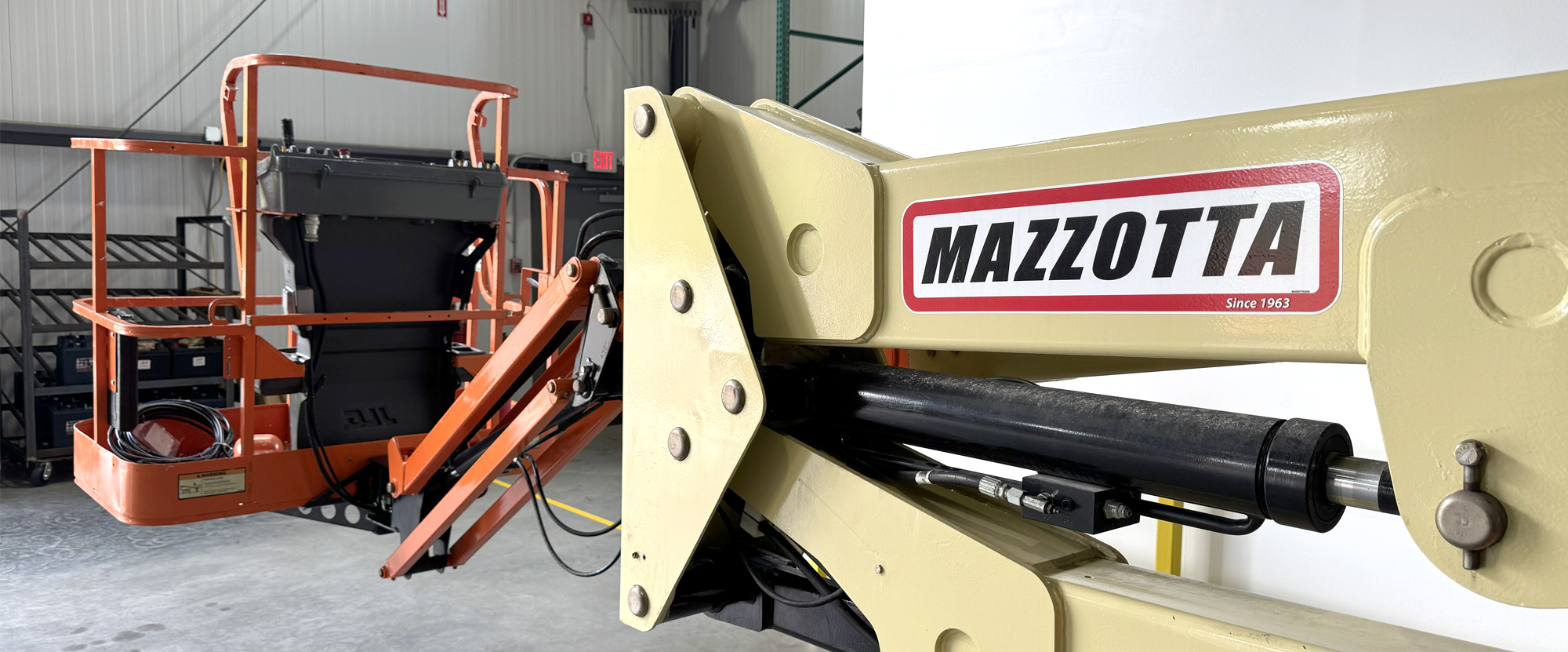
Climbing into a lift might feel as smooth as a theme-park ride — but unlike a roller coaster, there’s no track keeping you safe. Forty feet in the air is no place for guesswork. At Mazzotta Rentals, we see how often preventable mistakes lead to real injuries on jobsites across New England and New York. That's why modern MEWP safety is becoming more structured, more intuitive, and more technology-driven.
Whether you’re using a scissor lift, boom lift, or vertical mast, these fundamentals highlight today’s big trends: stronger ground-stability practices, intelligent sensing technology, remote-operation support, and more detailed pre-operation risk and rescue planning.
1. Start With a Jobsite Risk Assessment
Every safe MEWP setup begins long before elevation. We encourage operators to complete a thorough risk assessment before using any lift.
Key questions:
-
How high will you be working?
-
What tools, materials, or people need lifting?
-
What hazards exist above, below, or around the work zone?
More contractors now document risk plans and rescue procedures as part of their standard operating process.
2. Ground Conditions: The #1 Factor in Preventing Tip-Overs
Tip-overs remain the most serious MEWP hazard — and nearly all stem from overlooked ground conditions.
Before elevating:
-
Ensure the surface is level, compacted, and strong enough for the machine and its load.
-
Look for hidden threats like soft soil, voids, debris, frost heaves, or trenches.
-
Always follow manufacturer grade limits.
Across the industry, ground-stability technology is rising fast: slope alarms, auto-leveling outriggers, and elevation lockouts that prevent unsafe operation.
3. Identify Work-Area Hazards Before You Enter the Platform
Whether you're on a jobsite in Connecticut, Massachusetts, or New York, the hazards repeat themselves.
Watch for:
-
Overhead obstructions
-
Nearby workers, vehicles, or equipment
-
Wind, rain, or freezing conditions
Many of the latest MEWP models — including those in the Mazzotta Rentals fleet — feature platform-sensing systems that reduce crushing and entrapment risks.
4. Pre-Operation Checks: Simple Steps That Prevent Major Accidents
Before every use, operators should:
-
Test all controls
-
Confirm safety systems and emergency stops
-
Inspect hydraulics, guardrails, tires, and outriggers
-
Verify fall protection gear for boom lifts
ANSI/SAIA standards continue to emphasize detailed pre-operation assessments and rescue-ready planning, making these inspections more important than ever.
5. Understand MEWP Classifications — Training Must Match the Machine
Stability Groups
-
Group A: Platform stays within tipping lines
-
Group B: Platform can move outside the tipping lines
Mobility Types
-
Type 1: Cannot move while elevated
-
Type 2: Moves while elevated; chassis-controlled
-
Type 3: Moves while elevated; platform-controlled
Correct training for the specific category of machine is essential — something Mazzotta Rentals stresses with every equipment delivery.
MEWP Types and Their Modern Safety Considerations
Vertical Mast Lifts
Used For: warehouses, maintenance, facility work
Hazards:
-
Tip-overs on weak or uneven surfaces
-
Crushing hazards in low headroom areas
Scissor Lifts
Used For: construction, electrical, HVAC, ceiling work
Hazards:
-
Overloading or uneven weight distribution
-
Overhead entrapment
-
Pinch points around the scissor stack
Boom Lifts
Used For: exterior work, utilities, large-scale installations
Hazards:
-
Tip-overs from improper setup or leveling
-
Falls (full fall protection required for Group B MEWPs)
-
Electrocution near power lines
Newer models increasingly include remote operation, anti-collision sensors, and improved terrain monitoring.
Where MEWP Safety Is Headed — And Why It Matters
Across the industry, the biggest advancements are:
✔ Remote Operation
Safer machine positioning before anyone enters the platform.
✔ Platform & Proximity Sensing
Tilt alarms, overload sensors, and anti-entrapment systems.
✔ Ground Stability Focus
Driven by data showing tip-overs remain the most severe hazard.
✔ More Robust Pre-Operation Assessments
Including documented risk and rescue plans.
At Mazzotta Rentals, we’re committed to aligning our fleet, support, and guidance with these evolving safety standards so operators can work confidently at height.
