Blogs > Mazzotta Rentals News
5 Reasons Contractors Choose Rotating Telehandlers Over Standard Telehandlers
How Rotating Telehandlers Improve Efficiency, Reach and Flexibility on Complex Jobsites
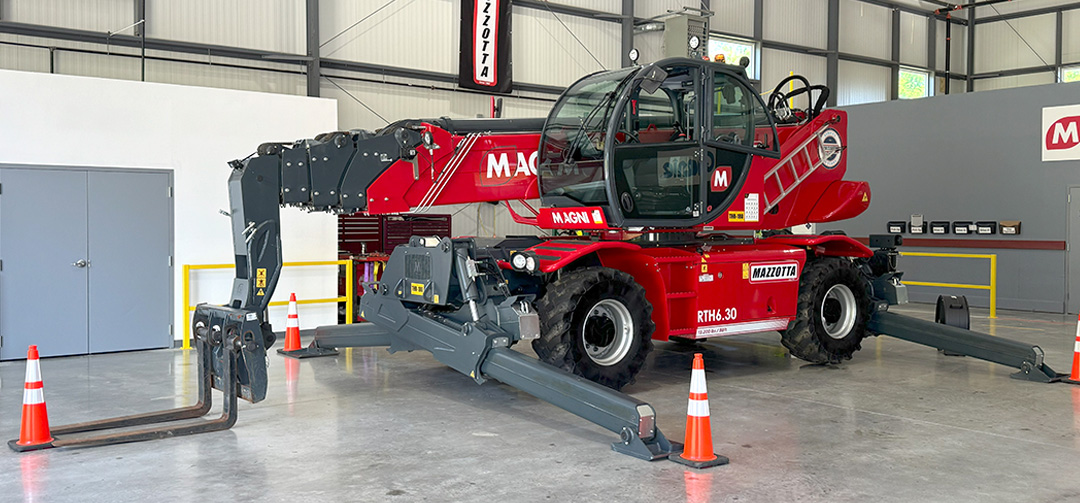
5 Reasons Contractors Choose Rotating Telehandlers Over Standard Telehandlers
How Rotating Telehandlers Improve Efficiency, Reach and Flexibility on Complex Jobsites
On many jobsites, a standard telehandler gets the job done. But when projects become tighter, taller and more complex, more contractors are turning to rotating telehandlers for added versatility, reach and efficiency.
Here are five reasons rotating telehandlers continue to gain traction across commercial construction, infrastructure and urban projects.
1. One Machine Can Replace Multiple Pieces of Equipment
A rotating telehandler can often handle work that would normally require multiple machines onsite.
Available Attachments Include:
- Forks
- Winches
- Hooks
- Buckets
- Personnel baskets
Contractors can complete multiple phases of work using a single machine instead of coordinating several pieces of equipment.
Why It Matters:
- Fewer machines onsite
- Reduced transportation costs
- Less congestion
- Simplified logistics
- Improved productivity
2. Work Multiple Areas Without Constant Repositioning
Unlike a standard telehandler, rotating telehandlers allow the boom to rotate 360 degrees while the machine remains stationary.
Operators can service multiple work zones from one setup position instead of constantly moving equipment around the site.
Huge Advantages For:
- Urban jobsites
- Downtown construction
- Steel erection
- Stadium projects
- Tight commercial sites
The Result:
- Less downtime
- Faster cycle times
- Reduced jobsite traffic
3. Tight Jobsites Become More Manageable
On congested jobsites, maneuverability matters.
Rotating telehandlers help crews work efficiently in tight and difficult environments without excessive machine movement.
Ideal Applications Include:
- Narrow access areas
- Between structures
- Parking garages
- Campuses
- Renovation projects
Instead of repositioning the entire machine repeatedly, operators can rotate the boom directly into place.
Why Contractors Like It:
- Better workflow
- Reduced machine movement
- Improved site safety
- More efficient use of space
4. Higher Reach Opens More Possibilities
As projects continue growing vertically, contractors need equipment that can keep up.
Rotating telehandlers provide impressive lift heights while maintaining the versatility of a telehandler platform.
Common Applications Include:
- Structural steel
- Glazing installation
- Roofing
- HVAC placement
- Precast work
- Bridge and infrastructure projects
For many contractors, the added reach creates opportunities that standard telehandlers cannot handle as efficiently.
5. Increased Efficiency Can Offset Higher Rental Costs
At first glance, a rotating telehandler may cost more than a standard telehandler.
But many contractors quickly realize the productivity gains can outweigh the difference.
Reduced:
- Labor time
- Machine repositioning
- Crane dependency
- Equipment overlap
- Project delays
Increased:
- Flexibility
- Efficiency
- Site productivity
On complex jobsites, that increased efficiency can make a major difference.
Finding the Right Machine for the Job
Not every project requires a rotating telehandler. Standard telehandlers remain excellent for straightforward material handling and open jobsites.
But when projects demand:
- Greater flexibility
- Higher reach
- Tighter maneuverability
- Multi-function capability
Rotating telehandlers become a powerful solution.
Mazzotta Rentals offers rotating telehandler solutions designed for demanding Northeast construction and infrastructure projects, including:
- 82' Rotating Telehandlers
- 98' Rotating Telehandlers
- 114' Rotating Telehandlers
- 127' Rotating Telehandlers
From our yard to yours.
